
Accessibility Statement
Accessibility is a key part of how this website has been designed and built. As someone who lives with dyslexia, I understand first-hand how important it is for content to be clear, readable, and flexible. Simple choices such as using clean, easy-to-read fonts and consistent layouts can make a significant difference, and these considerations have shaped the way this site works.
I also rely on screen readers in my day-to-day life, which is why accessibility has been considered from the ground up. The website uses clear structure, semantic HTML, and logical navigation to ensure it works well with assistive technologies. Where supported by your browser or system, accessibility preferences will automatically be respected.
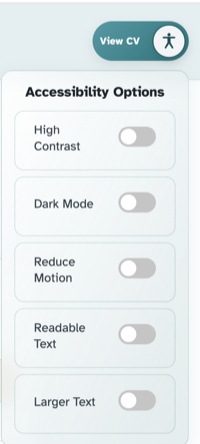
In addition to system-level support, an accessibility menu is available at the top of the site. This allows you to enable or disable individual accessibility features based on what works best for you, without needing to change your device settings.
This website aims to follow recognised accessibility best practices and the principles of the Web Content Accessibility Guidelines (WCAG), focusing on making content perceivable, operable, understandable, and robust for as many users as possible.
Accessibility is an ongoing process. If you experience any barriers or feel that additional features would improve your experience, please don’t hesitate to get in touch. I’m always open to feedback and will do my best to explore and implement meaningful improvements.
Accessibility is a core part of this website’s design, alongside a focus on clarity, usability, and thoughtful presentation.